

Views: 0 Author: Site Editor Publish Time: 2026-10-04 Origin: Site
Equipping your machine with the perfect attachment demands careful balance. Choosing the wrong bucket size for your 3.5 ton mini excavator directly hurts cycle times. It increases fuel consumption and shortens overall machine longevity. You face distinct problems on both ends of the sizing spectrum. Oversized buckets cause severe hydraulic lag and introduce dangerous tipping risks. Conversely, undersized buckets waste valuable operator hours and cripple site profitability. We built this guide to solve these daily challenges. You will find an evidence-based framework here. It will help you evaluate and select the exact bucket capacity and width required for your specific operational demands.
Machine Limits: A 3.5 ton mini excavator typically optimally supports bucket widths between 12 inches and 36 inches, depending on bucket type and material.
Material Density Rules: Bucket volume must be calculated against material weight (e.g., wet clay vs. dry topsoil) to avoid exceeding the machine’s Safe Working Load (SWL).
Application-Driven Selection: Trenching, grading, and bulk earthmoving require distinct bucket geometries (tooth vs. smooth) to maximize breakout force.
Coupler Compatibility: Factoring in quick-hitch weight and pin dimensions is non-negotiable for 2.5–3.5T mini excavator fleet integration.
You cannot effectively size an attachment without understanding the baseline limitations of your machine. Every excavator operates around a defined tipping load. This refers to the maximum weight the machine can lift before it becomes unstable. Bucket capacity directly influences this limit. When you fill a bucket with material, you add dynamic weight to the end of the boom. If the combined weight of the bucket and the material exceeds the safe working limit, the tracks will lift off the ground. You must always calculate the bucket weight plus its maximum payload to ensure it falls safely below the machine's tipping threshold.
Breakout force dynamics also dictate how a bucket performs in the dirt. Breakout force is the maximum digging power generated by the hydraulic cylinders. Wider and deeper buckets displace this force over a larger surface area. You get less penetration power per square inch. Narrower buckets concentrate your hydraulic power. They excel in tough, compacted ground conditions. If you try to push a wide bucket through rocky soil, the machine will struggle. The hydraulic system must work much harder to penetrate the earth.
Kinematics and cycle times represent the hidden casualties of poor bucket selection. Many operators choose "greedy" or over-capacitated buckets to move more dirt per pass. This strategy often backfires. An overly large bucket creates sluggish boom recovery. The hydraulics drag under the excessive weight. Slower cycle times mean you move fewer loads per hour. You also burn more fuel fighting the weight of the oversized attachment. Efficient dirt removal relies on maintaining a fast, rhythmic cycle time rather than moving massive individual scoops.
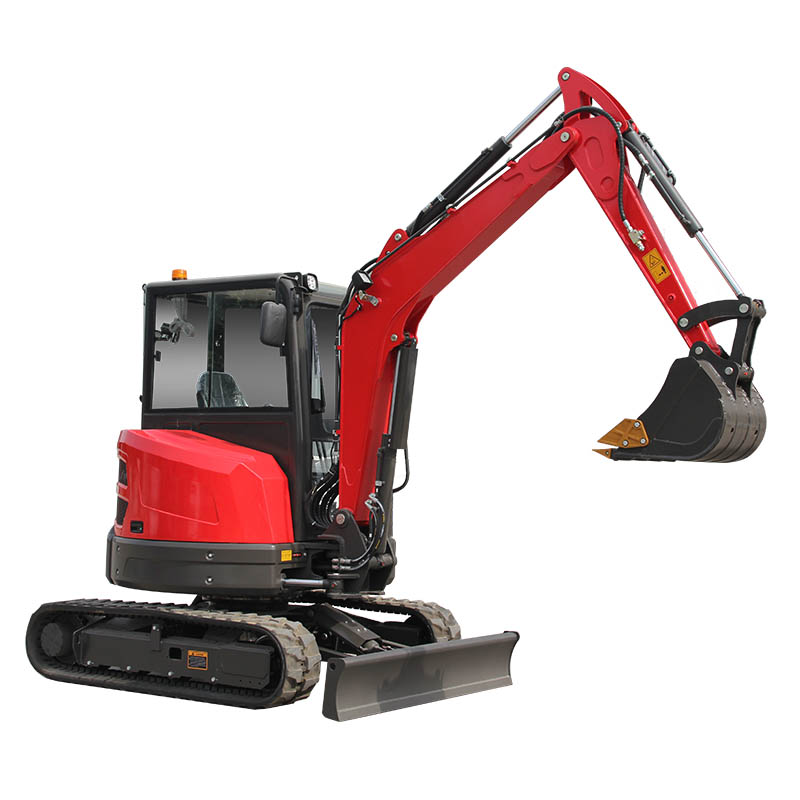
Trenching buckets typically range from 12 inches to 24 inches in width. They feature a narrow profile and come equipped with heavy-duty teeth. You need this specific geometry for utilities, pipe laying, and high-penetration digging. The narrow design focuses the machine's energy into a small footprint. It slices through roots and hardpan easily. A 12-inch trenching bucket ensures you only move the dirt necessary to bury a standard utility line. This saves immense time during the backfill phase.
General purpose or digging buckets bridge the gap between trenching and bulk earthmoving. They usually span 18 inches to 24 inches wide. These attachments offer a standard volume with a balanced width-to-depth ratio. You will use these buckets for foundation footings and standard contracting work. They hold enough dirt to make bulk removal efficient but remain narrow enough to dig efficiently in firm soil. Many contractors leave a 24-inch general purpose bucket on their machine for daily tasks.
Grading and mud buckets look vastly different from their digging counterparts. They measure between 36 inches and 47 inches wide. They feature a smooth edge instead of teeth. They boast a higher volume capacity but are engineered exclusively for lighter materials. You will use these for backfilling, ditch cleaning, and topsoil leveling. The wide, smooth edge creates a flat finish on the ground. You should never use a grading bucket to break hard earth. The extreme width dilutes the breakout force entirely.
Specialty options exist for niche applications. Tilt buckets allow you to angle the cutting edge up to 45 degrees left or right. They make complex grading tasks effortless. Sieve or skeleton buckets feature gaps between the tines to sort rocks from soil. You must remember that specialty buckets carry heavier frame weights. The added hydraulic cylinders on a tilt bucket eat into your total allowable payload.
Bucket Dimensions and Ideal Applications Chart
Bucket Type | Width Range | Edge Profile | Primary Application |
|---|---|---|---|
Trenching | 12" - 24" | Teeth | Utility lines, pipe laying, hard ground |
General Purpose | 18" - 24" | Teeth / Smooth | Footings, general excavation |
Grading / Mud | 36" - 47" | Smooth | Leveling, backfilling, ditch cleaning |
Specialty (Tilt/Sieve) | Varies | Varies | Sorting materials, complex contouring |
Utility and plumbing contractors approach bucket sizing strictly through the lens of efficiency. When installing a 4-inch PVC pipe, a massive trench wastes time and money. Using a 12-inch or 16-inch trenching bucket minimizes the initial dig time. It also drastically reduces the amount of expensive aggregate needed for bedding. A smaller trench requires less backfill labor. The concentrated force of a narrow bucket easily busts through compacted urban soils where utilities are typically laid.
Landscaping and hardscaping operations require a wider variety of attachment geometries. You must evaluate the specific task before pinning on a bucket. Retaining wall footings require a standard 18-inch digging bucket. The teeth cut clean, square trenches for the base layer. However, spreading mulch or grading a backyard demands a 36-inch smooth bucket. The smooth edge prevents damage to existing turf. It also moves loose material quickly without leaving gouges in the topsoil.
Demolition and rock work present the harshest environments for a 2.5–3.5T Mini Excavator. You need heavy-duty reinforced buckets here. These specialized buckets have lower volumetric capacity but feature higher structural integrity. They utilize thicker wear plates and reinforced side cutters. A high-capacity bucket will bend or crack when prying concrete slabs. You trade outright volume for durability. The smaller footprint also helps the machine pry stubborn materials without opening the hydraulic relief valves.
Common Application Scenarios:
Laying Fiber Optic Cable: Require a 12-inch tooth bucket to cut narrow, deep slots efficiently.
Prepping a Driveway: Need a 36-inch grading bucket to spread gravel evenly across a wide area.
Removing Stumps: Best handled by an 18-inch heavy-duty digging bucket to rip roots without bending the side plates.
The weight versus volume equation trips up many experienced operators. You must frame your bucket decision around what actually goes into it. A 47-inch bucket might hold a massive amount of material, but material weights vary wildly. One cubic yard of dry topsoil does not equal one cubic yard of wet clay. If you fill a high-capacity grading bucket with wet clay, you will immediately exceed the safe working load. The machine will feel tippy, and the boom will struggle to lift.
High-density materials require smaller buckets. Materials like gravel, wet clay, and crushed rock are incredibly heavy. We strongly recommend downsizing your volumetric capacity when handling these loads. Using an 18-inch or 24-inch bucket for wet clay ensures you maintain machine stability. It prevents the hydraulic relief valves from stalling out mid-lift. A smaller bucket filled with heavy material keeps the center of gravity closer to the tracks.
Low-density materials allow you to maximize your attachment size. Mulch, dry topsoil, and snow weigh significantly less per cubic yard. You can easily justify utilizing maximum-width buckets, such as a 47-inch grading bucket, for these jobs. The machine can handle a large volume of mulch without compromising safety or stability. Understanding these density differences prevents premature wear on your boom pins and hydraulic seals.
Material Density Comparison
Material Type | Approximate Weight (lbs per cubic yard) | Recommended Bucket Style |
|---|---|---|
Dry Mulch / Peat | 400 - 800 lbs | 47" High-Capacity Grading Bucket |
Loose Dry Soil | 2,000 - 2,200 lbs | 36" Grading Bucket or 24" Digging Bucket |
Gravel / Crushed Rock | 2,800 - 3,000 lbs | 18" - 24" Digging Bucket |
Wet Clay | 3,000 - 3,500+ lbs | 12" - 18" Trenching Bucket |
Assessing pin-on versus quick coupler weights represents the first critical implementation check. A manual or hydraulic quick coupler provides massive convenience for swapping attachments. However, this convenience carries a literal weight penalty. A quick hitch adds substantial dead weight directly to the end of the dipper stick. This added mass eats into your total allowable bucket payload. If your machine can safely lift 1,000 pounds at full extension, and your coupler weighs 150 pounds, you now only have 850 pounds left for the bucket and dirt.
Evaluating wear parts dictates the long-term value of your investment. You should closely inspect the tooth systems on any digging bucket. CAT style J-series teeth offer excellent retention and easy replacement. Bolt-on edges protect the primary lip of a grading bucket. Replaceable wear parts ensure you never have to scrap an entire bucket just because the cutting edge degrades. Investing in buckets with standardized, easily sourced teeth prevents costly downtime when you hit unexpected rock.
Inventory cross-compatibility ensures your attachments do not become orphaned assets. You must check three critical dimensions to guarantee a bucket fits your existing fleet. First, measure the pin diameter. Second, measure the dipper gap, also known as the ear width. Finally, measure the pin center-to-center distance. Taking these exact measurements ensures crossover viability. Sometimes, attachments can easily swap between different models if they share identical linkage geometry.
Key Measurement Steps for Compatibility:
Use digital calipers to measure the exact thickness of the mounting pins.
Measure the inside width between the mounting ears on the bucket itself.
Measure from the center of the front pin hole to the center of the rear pin hole.
The best bucket size for your machine is never a static number. It is a direct calculation combining your specific job application, the density of the material you move, and the breakout force required to penetrate the ground. Wide, smooth buckets excel in light grading, while narrow, tooth-equipped buckets dominate hardpan trenching. By matching the physical geometry of the bucket to your daily tasks, you protect your machine's hydraulics and maximize cycle time efficiency.
Before purchasing your next attachment, take precise measurements of your machine's linkage setup. Consult an equipment sizing chart or speak to an attachment specialist to verify your specific operating weight and coupler configuration. Taking these proactive steps ensures you invest in a bucket that drives profitability and keeps your operators moving efficiently.
A: Typically, a 36-inch to 47-inch grading bucket is the maximum size. You must strictly use this for lighter materials like mud or dry topsoil. Using a digging bucket this wide in hard earth will immediately stall the machine or create a severe tipping risk.
A: Generally no. They feature different pin diameters, dipper widths, and pin center measurements. Unless you use specialized multi-fit couplers, they will not align. Even if the bucket fits the linkage, a 3.5T bucket is usually too heavy and bulky for a 1.7T machine to operate safely.
A: You need three critical measurements. First, find the pin diameter in millimeters. Second, measure the dipper gap or ear width in millimeters. Finally, measure the pin center-to-center distance in millimeters. These three numbers ensure any new bucket fits your machine's linkage perfectly.
A: Choose teeth for penetration. They break up compacted soil, rip through rock, and excel at deep trenching. Choose smooth edges for finishing work. They handle grading, backfilling, and bulk material moving without tearing up turf or damaging shallow underground utilities.


