

Views: 0 Author: Site Editor Publish Time: 2026-03-11 Origin: Site
Productivity on compact jobsites rarely depends on machine size alone. Contractors working in landscaping, residential construction, municipal maintenance, or utility installation often discover that the most productive equipment is not always the biggest or the most powerful. Efficiency comes from selecting the right Mini Excavator for the job, one that balances hydraulic responsiveness, maneuverability, fuel efficiency, and attachment flexibility. A well-matched machine reduces repositioning time, speeds up digging cycles, and allows operators to complete multiple tasks without changing equipment. This article explores five highly productive mini excavator types that help contractors maximize output across different types of compact worksites.
Many people associate productivity with digging speed alone. While faster cycle times certainly help move soil more quickly, overall productivity involves many other factors. Travel speed around the site, smooth boom movement, and precise control all influence how efficiently a machine performs daily tasks.
An excavator that operates smoothly allows operators to position the bucket accurately and complete repetitive movements with less fatigue. This leads to steady workflow rather than constant corrections or interruptions.
Productivity improves when a machine can handle multiple tasks without unnecessary delays. Efficient fuel consumption keeps operating costs manageable during long workdays. Quick attachment changes allow the operator to move from digging to drilling or breaking tasks without switching machines.
Repositioning efficiency also matters. Compact excavators that can move easily within confined spaces reduce downtime and increase overall task completion speed.
Machines that are too large for the work environment often slow operations rather than improving them. A large excavator may struggle to maneuver in narrow spaces, forcing operators to reposition frequently. Conversely, a machine that is too small may require more digging cycles to complete the same work.
Selecting the correct size ensures that the excavator delivers both accessibility and adequate power.
Micro class mini excavators represent one of the most specialized productivity tools for confined jobsites. These machines are small enough to pass through narrow gates and compact entrances, making them ideal for backyard landscaping, indoor demolition, and renovation projects.
Contractors working in residential environments often rely on these machines to perform digging tasks without removing fences or altering property layouts.
Some micro excavators feature an expandable undercarriage system that allows the track width to be adjusted. When the machine must pass through narrow spaces, the tracks can be retracted. During digging operations, widening the track stance increases stability.
This flexibility allows operators to combine accessibility and safe operation without sacrificing performance.
Micro excavators offer unmatched maneuverability and low ground disturbance. However, their lifting capacity and digging depth are naturally limited. They perform best in light-duty work environments where space constraints outweigh the need for heavy power.
The 1.5 to 2 ton mini excavator class is widely used for landscaping and light utility work. These machines provide enough digging force to create trenches for irrigation or cable installation while remaining compact enough to work in gardens or residential yards.
Contractors appreciate this size because it balances maneuverability with adequate digging capability.
Landscaping projects often involve finished lawns, decorative surfaces, or delicate terrain. Machines in this class frequently use rubber tracks that minimize surface damage and reduce vibration.
Lower ground pressure allows operators to complete tasks without leaving deep impressions or requiring additional repair work afterward.
Common attachments for this class include narrow trenching buckets, augers for post holes, and compact grapples for debris removal. These attachments expand the range of tasks a single machine can perform, improving overall productivity.
Among compact construction machines, the 2.5 ton mini excavator is often considered the most versatile. It offers deeper digging capability than smaller models while still maintaining easy transport and maneuverability.
Contractors frequently rely on this size for drainage installation, residential foundation work, and utility trenching.
Machines in this category typically combine efficient hydraulic performance with moderate fuel consumption. Their operating weight remains manageable for transport while still providing strong digging performance.
This balance allows contractors to complete demanding tasks without using larger and more expensive equipment.
Many contractors consider the 2.5 ton class the ideal compromise between performance and convenience. It handles a wide variety of jobs without becoming too large for residential environments.
Zero tail swing excavators are designed with minimal rear overhang. This design allows the machine to rotate safely in tight environments without hitting nearby obstacles such as walls, fences, or parked vehicles.
When operators can rotate the machine confidently without worrying about collisions, they work more efficiently.
Urban projects often involve limited space and nearby traffic. Zero tail swing machines allow operators to work close to buildings, curbs, or utility structures without requiring additional clearance.
This capability significantly improves productivity on crowded worksites.
Traditional excavators with larger rear overhang may provide slightly greater stability, but they require more operating space. On urban jobsites where space is restricted, zero tail swing designs provide greater operational efficiency.
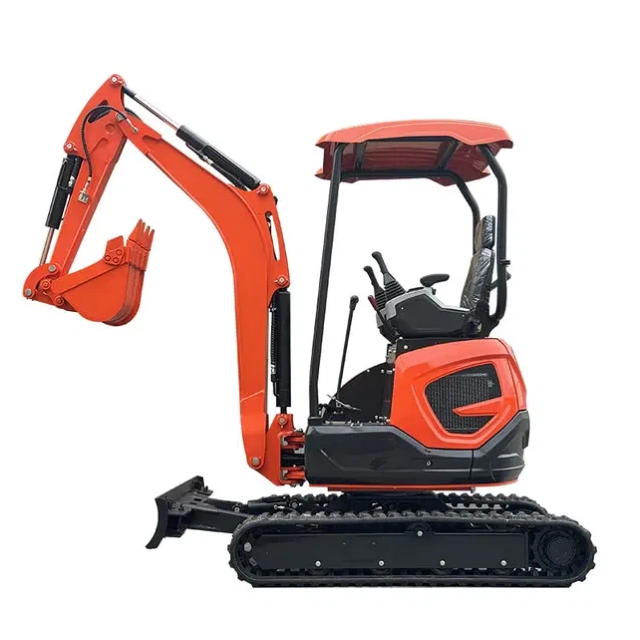
Larger mini excavators in the 3.5 to 6 ton range offer significantly greater lifting capacity and hydraulic power. These machines are commonly used for demolition attachments, hydraulic breakers, and larger augers.
Their stronger frames and hydraulic systems allow them to perform heavier tasks while still remaining more compact than full-size excavators.
Increased hydraulic flow allows these machines to operate high-powered attachments effectively. Whether drilling holes, breaking concrete, or handling heavier materials, these excavators deliver consistent performance.
For contractors performing heavier construction tasks, using a slightly larger mini excavator can dramatically increase productivity. Fewer digging cycles and stronger lifting performance translate directly into faster project completion.
Advanced hydraulic systems allow operators to perform multiple movements simultaneously without losing precision. Smooth control helps maintain efficient digging cycles and reduces operator fatigue.
Hydraulic quick couplers enable rapid attachment changes. Contractors can move from digging to drilling or demolition within minutes, allowing a single machine to perform multiple tasks.
Modern excavators often include automatic idle systems and selectable work modes. These features optimize engine output according to workload, improving fuel efficiency while maintaining strong performance.
Operator comfort plays an important role in productivity. Spacious cabins, ergonomic controls, and clear visibility allow operators to work longer hours without fatigue.
Loongsheen mini excavators are engineered with efficient hydraulic systems that support smooth operation and optimized fuel consumption. Responsive controls allow operators to perform multiple functions simultaneously while maintaining precise control.
With a wide selection of models available, contractors can quickly deploy machines suited to different jobsite conditions. Fast delivery helps projects begin without delays caused by equipment shortages.
Machines can be configured with different attachments and hydraulic options to match the demands of landscaping, residential construction, municipal maintenance, or utility installation.
Produced in Jining, Shandong, Loongsheen equipment undergoes strict quality inspection processes before shipment. Reliable manufacturing and consistent component testing ensure that machines deliver stable performance across demanding working environments.
Rank | Machine Type | Best Application | Productivity Advantage | Recommended Attachments |
1 | Micro Mini Excavator | Indoor demolition and narrow access | Extreme maneuverability | Narrow bucket |
2 | 1.5–2 Ton Mini Excavator | Landscaping and light utility work | Low ground disturbance | Auger, trenching bucket |
3 | 2.5 Ton Mini Excavator | Residential construction | Balanced performance | Standard bucket |
4 | Zero Tail Swing Model | Urban construction sites | Safe operation in tight spaces | Hydraulic breaker |
5 | 3.5–6 Ton Mini Excavator | Heavy compact construction | Greater lifting capacity | Grapple, auger |
Achieving higher productivity on compact construction sites depends on selecting equipment that matches the real demands of the project. Contractors who evaluate access conditions, attachment needs, and hydraulic performance can select the most suitable compact excavator configuration for each task. When the machine size, attachment capability, and jobsite requirements align, operators experience smoother workflows, faster task completion, and improved overall efficiency.
Loongsheen manufactures a wide range of construction equipment including excavators, skid steer loaders, mini dumpers, and road rollers. Our engineering team develops reliable machines designed for demanding jobsites around the world. If you want more information about our mini excavator models or need assistance selecting the right configuration for your project, contact our team to discuss available options and global delivery support.
Many contractors consider the 2.5 ton mini excavator class the most versatile because it balances digging power, portability, and efficiency for a wide range of projects.
Micro mini excavators perform best in confined environments such as landscaping or indoor demolition. They are highly productive in tight spaces but are not intended for heavy excavation tasks.
Zero tail swing machines allow operators to rotate safely in tight spaces without risking collision with nearby obstacles. This improves efficiency on urban jobsites.
Yes. Attachments such as augers, breakers, and grapples allow one machine to perform multiple tasks, reducing downtime and increasing overall jobsite productivity.


