

Views: 0 Author: Site Editor Publish Time: 2026-03-17 Origin: Site
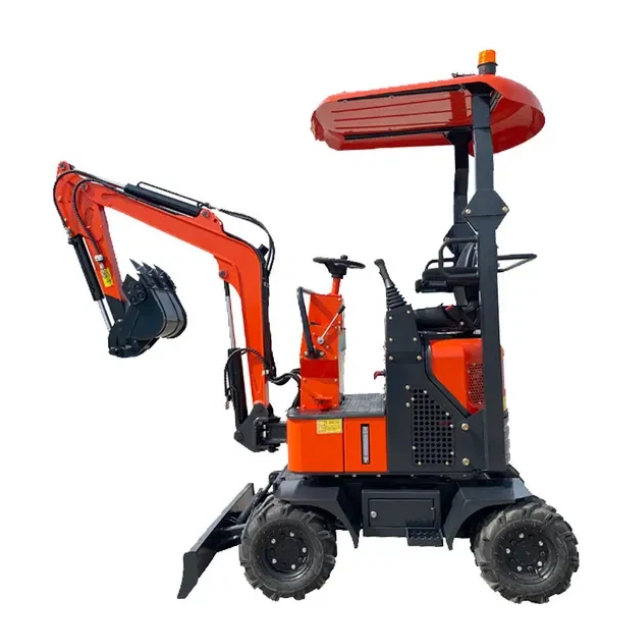
Construction contractors often face an important equipment decision when planning projects that involve digging, lifting, and material handling. Both wheeled machines and tracked machines are capable of performing excavation tasks, yet their operating characteristics can differ significantly depending on the environment. A Wheel Excavator offers mobility, flexibility, and efficiency for urban construction sites, while crawler excavators provide advantages in rough terrain or undeveloped land. Understanding how each machine performs in real working conditions helps contractors choose equipment that matches their project requirements instead of relying on habit or assumptions. The choice between wheels and tracks should always follow the type of work, the surface conditions, and the daily operating pattern of the project.
The most obvious distinction between wheeled and crawler excavators lies in mobility. Wheel excavators are equipped with rubber tires that allow them to travel on paved roads and compact surfaces without additional transport equipment. This ability enables operators to move quickly from one work area to another without relying on trailers or trucks.
For contractors who frequently work on municipal projects or utility installations across multiple locations in a city, this mobility significantly improves productivity. Crews can relocate the machine within minutes and begin work immediately, reducing downtime between tasks.
Crawler excavators rely on steel tracks instead of wheels. These tracks distribute machine weight across a larger surface area, providing excellent traction on soft soil, muddy terrain, or uneven construction sites. When working on undeveloped land or steep slopes, tracks often provide better stability.
Because of this traction advantage, crawler excavators remain the preferred option for large excavation projects in rural areas or construction zones with unstable ground conditions.
Mobility directly affects how quickly operators can reposition equipment during the workday. Machines that move easily around the site reduce idle time and improve workflow. Wheel excavators excel in environments where frequent movement is required, while crawler excavators perform better when the machine remains in a fixed excavation area for extended periods.
Urban construction projects typically involve paved surfaces such as asphalt roads, sidewalks, and concrete work areas. Wheel excavators operate efficiently in these environments because their rubber tires move smoothly without damaging finished surfaces.
Municipal maintenance crews often choose wheeled machines because they can travel directly on public roads and perform tasks such as trenching, pipe installation, and curb repair without disrupting surrounding infrastructure.
Crawler excavators demonstrate their strength in environments where soil conditions are unstable. Tracks provide additional grip when operating on muddy ground or steep slopes. This stability allows the machine to maintain traction while performing heavy excavation tasks.
Large construction projects such as land clearing, mining preparation, or foundation excavation often involve these challenging conditions, making crawler machines more suitable.
Surface protection is another important factor when selecting excavation equipment. Wheeled machines typically produce less surface damage on paved or landscaped areas because tires distribute weight differently than steel tracks.
On finished construction sites where maintaining surface quality is essential, wheel excavators often become the preferred choice.
Wheel excavators reduce transportation requirements because they can travel independently between nearby worksites. Contractors operating in urban environments often move equipment several times during the same day. When the machine can drive directly to the next location, project flow becomes much more efficient.
This mobility also reduces transportation costs since there is no need to load and unload the equipment repeatedly.
Despite the mobility advantage of wheeled machines, crawler excavators remain valuable for projects that involve heavy excavation work in remote locations. When the machine remains on one site for long periods, transport convenience becomes less important than digging power and terrain capability.
Large infrastructure projects, mining operations, and land development often rely on crawler machines for this reason.
Urban projects frequently require operators to reposition equipment along streets or construction zones. Wheel excavators allow operators to move quickly without disrupting surrounding operations. This flexibility improves efficiency when multiple short excavation tasks must be completed along a continuous project line.
Crawler excavators distribute weight evenly across their tracks, providing greater stability when working on uneven ground. This design allows operators to perform heavy digging operations without worrying about machine balance.
Because of this stability advantage, crawler machines are often selected for large-scale excavation work.
Wheel excavators compensate for the difference in traction by using outriggers or stabilizers. When deployed, outriggers extend outward and transfer machine weight to the ground. This additional support increases stability during lifting or digging operations.
With outriggers properly positioned, wheeled machines can perform many of the same tasks as tracked machines while maintaining safe operation.
During trenching work along roads or sidewalks, wheel excavators often perform more efficiently because they can reposition quickly and operate safely on paved surfaces. When lifting pipes or construction materials near the road, outriggers provide the necessary stability.
Operating costs vary depending on machine design. Wheel excavators experience tire wear over time, which requires replacement after extended use. However, crawler excavators have complex undercarriage systems that include rollers, sprockets, and steel tracks.
Maintaining these undercarriage components can be expensive, particularly when machines operate in abrasive environments.
Transport requirements also influence total operating cost. Crawler excavators typically require transport trucks to move between sites, adding additional logistical expenses. Wheel excavators reduce these costs by traveling independently.
When projects involve multiple locations, this difference can significantly affect operational budgets.
Construction sites located in urban areas often impose restrictions on heavy equipment movement. Steel tracks can damage paved roads or sidewalks, which may require repair afterward. Wheel excavators avoid many of these issues by operating with rubber tires that protect finished surfaces.
Utility contractors installing pipelines or cables often work along roads and sidewalks. Wheel excavators are particularly effective in these environments because they can travel easily between excavation points.
Road maintenance teams rely on machines capable of operating safely near traffic and infrastructure. Wheel excavators allow crews to reposition quickly along streets while performing repair work.
Contractors working on mixed terrain may require both machine types depending on the project stage. Early site preparation may require crawler excavators, while later stages such as utility installation or landscaping may benefit from wheel excavators.
Companies performing small projects across different locations benefit greatly from the mobility of wheeled machines. Being able to move directly between jobsites increases daily productivity.
Loongsheen wheel excavators are designed to operate efficiently in urban construction environments. Their road mobility allows operators to travel quickly between projects while maintaining stable performance during excavation tasks.
Advanced hydraulic systems ensure smooth control and efficient power distribution. Operators can perform multiple functions simultaneously while maintaining precise movement during digging and lifting.
Outriggers improve machine stability, allowing operators to perform lifting and trenching operations safely. Compatibility with various attachments expands the machine’s capability across different tasks.
Manufactured in Jining, Shandong, Loongsheen equipment is produced under strict quality control standards. The company offers multiple configurations and global shipping support, ensuring customers receive machines suited to their project requirements.
Comparison Point | Wheel Excavator | Crawler Excavator | Best-Use Scenario |
Mobility | Fast travel on roads | Limited to tracks and trailers | Urban projects |
Surface Impact | Minimal damage on pavement | May damage finished surfaces | Paved worksites |
Terrain Ability | Best on compact or paved ground | Excellent on mud and rough terrain | Heavy earthwork |
Transport Needs | Often self-propelled | Usually requires transport trailer | Multi-site projects |
Stability | Stabilized with outriggers | Natural stability from tracks | Heavy excavation |
Choosing between wheeled and tracked machines ultimately depends on the specific demands of the project environment. While crawler excavators provide excellent traction on rough terrain, contractors working on paved surfaces, municipal infrastructure, and roadside projects often benefit from the mobility and efficiency of a wheeled excavator. Faster movement between jobsites, reduced transport requirements, and adaptable performance make wheeled machines a practical solution for many modern construction operations.
Loongsheen is a professional manufacturer and exporter of heavy construction equipment including excavators, loaders, skid steer machines, road rollers, and dumpers. Located in Jining, Shandong, the company develops reliable machines designed for demanding construction environments worldwide. If you would like more information about our wheel excavator models or need assistance selecting the right equipment for your project, contact our team to discuss specifications, configurations, and global delivery options.
The primary difference lies in mobility and terrain capability. Wheel excavators travel easily on roads, while crawler excavators provide stronger traction on soft or uneven ground.
Yes. Wheel excavators are commonly used in urban projects because they move efficiently on paved surfaces and can travel between worksites without additional transport equipment.
Crawler excavators are more suitable for rough terrain, muddy construction zones, or large-scale earthmoving operations where maximum traction and stability are required.
Yes. With the support of outriggers and strong hydraulic systems, wheel excavators can perform lifting and excavation tasks efficiently, especially in urban or roadside environments.


